


This site is best viewed in portrait mode.
Please rotate your device.
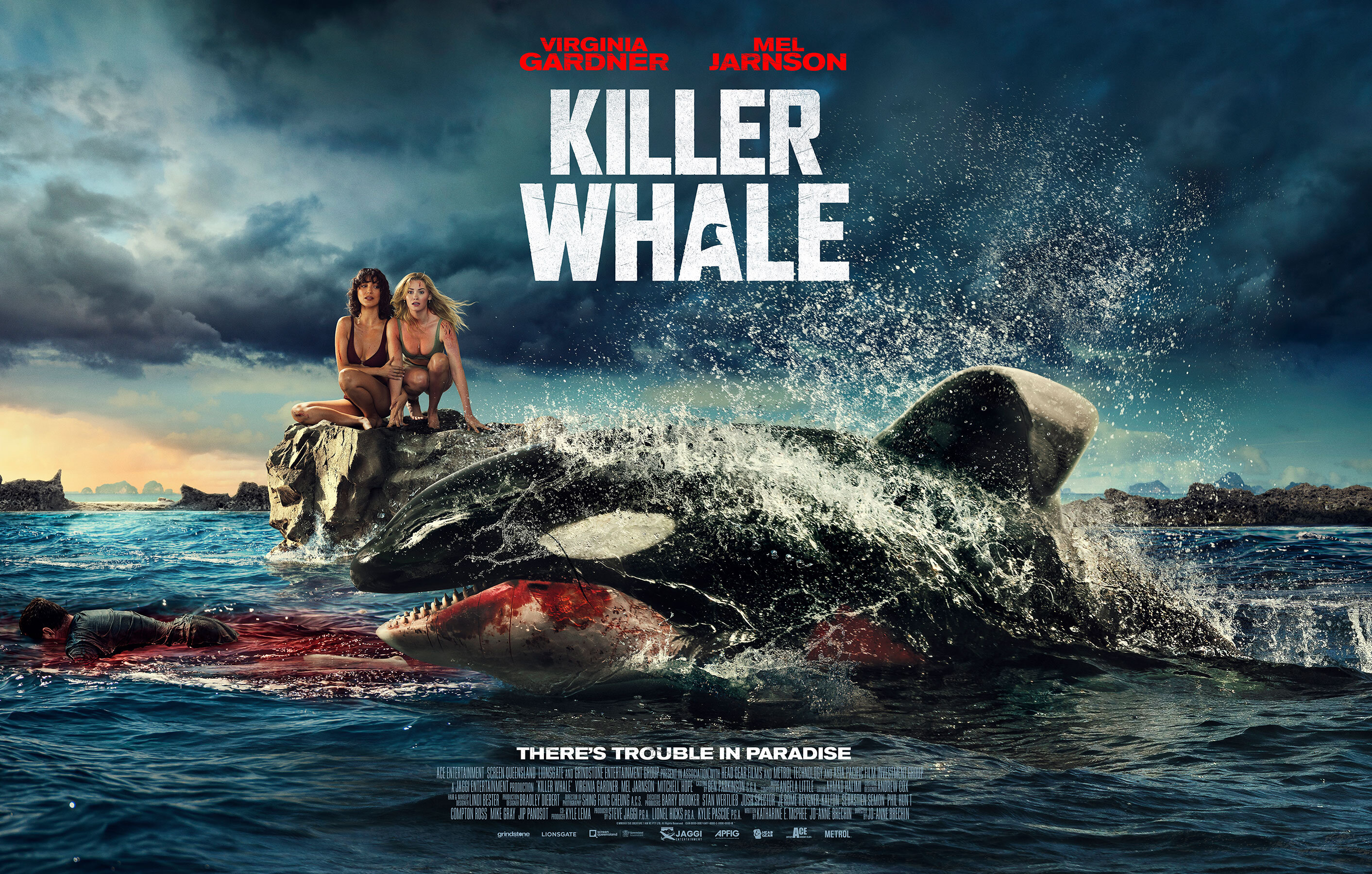
When Jaggi Entertainment approached Carnival Studio to develop key art for Killer Whale, the film was in pre-production and would be shot on blue screen, with a very heavy CGI component. We were tasked with creating theatrical key art for the survival-horror feature, starring rising talent Virginia Gardner and Mel Jarnson – positioned somewhere between The Shallows and a revenge thriller, with an underlying ecological message.
Creature-driven genre films can easily lean into B-grade tropes. This needed to feel cinematic, elevated, and emotionally grounded. We were building the film’s public face before the final film existed.
Before developing visuals, we worked with filmmakers to clarify:
The positioning became clear:
With alignment locked, we moved to concept.
Our concepts focused on:
The goal: implied menace, not spectacle-for-spectacle.
We consciously avoided classic cross-section shark tropes that often feel artificial or cheap.
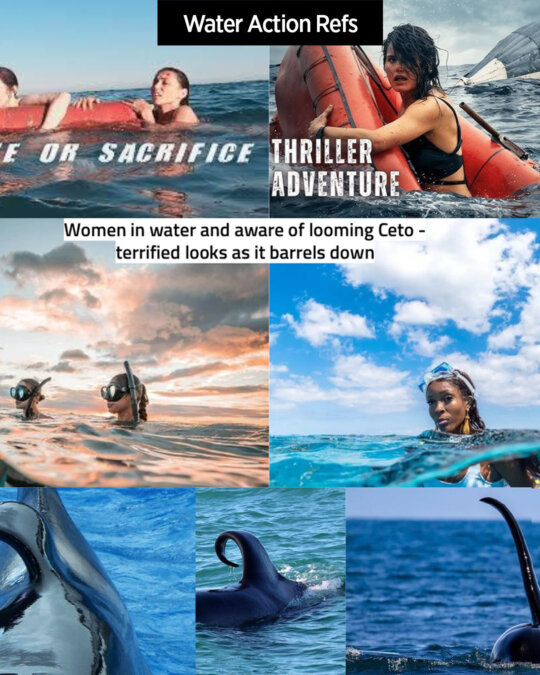
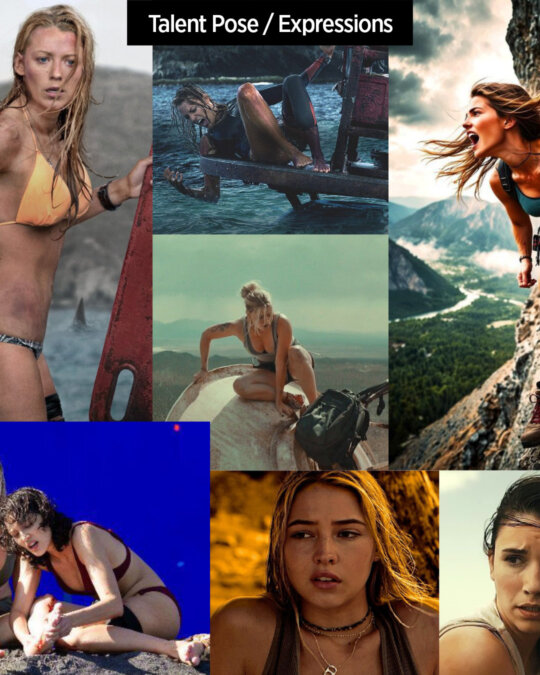
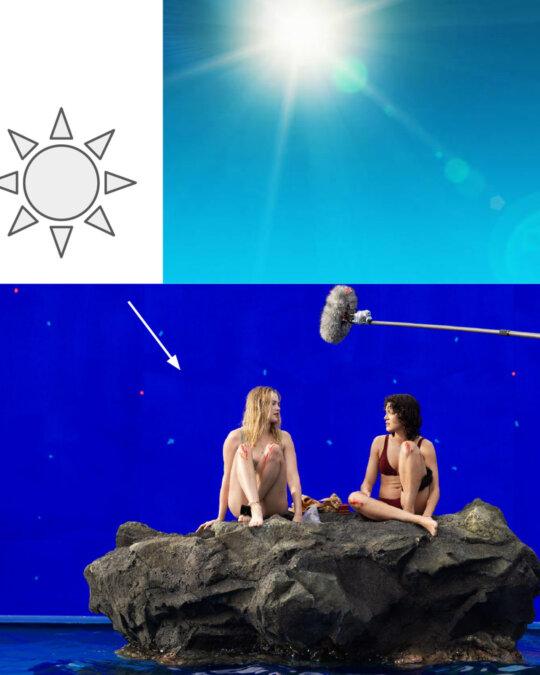
The actors were shot in a studio, perched on a styrofoam rock.
Which means:
Because we had already locked camera angle, threat direction, and tonal intention during concept, the shoot became execution – not experimentation.
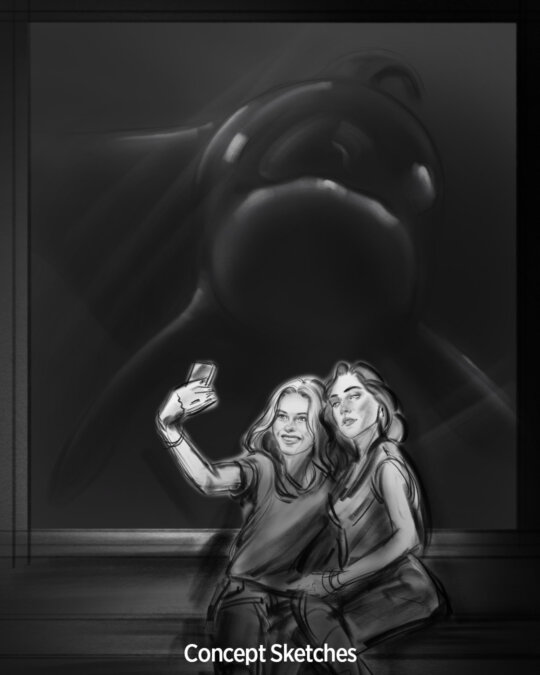
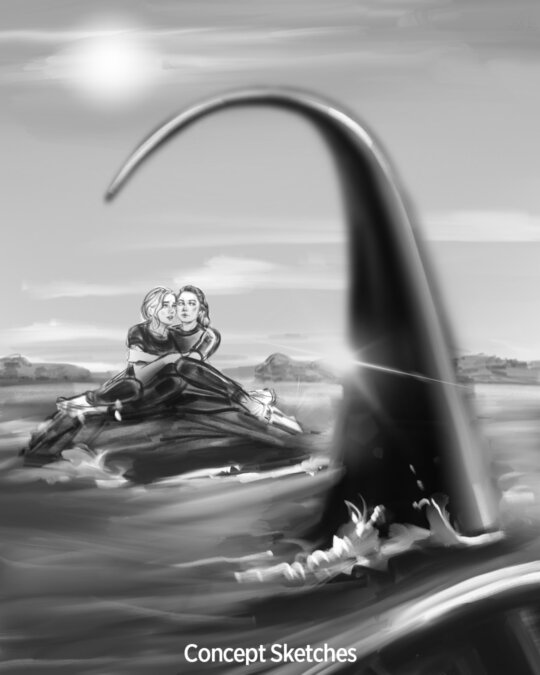
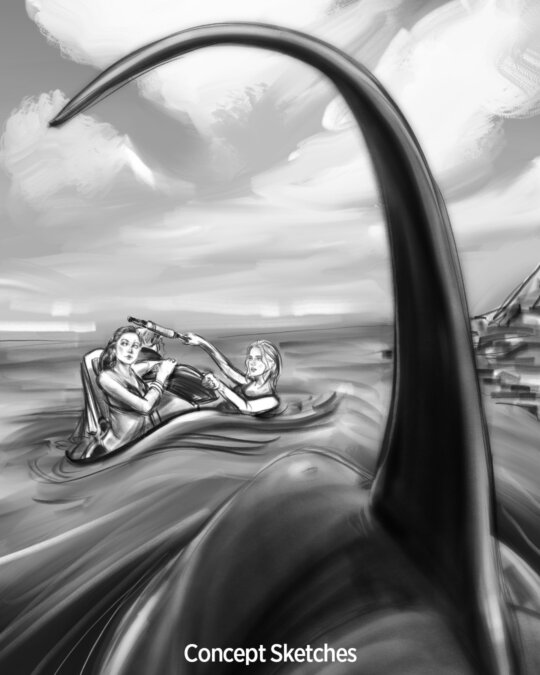
Our early visual strategy guided:
By the time Ceto was composited into frame, the emotional architecture was already built.
The result is key art that feels cinematic, tense, and theatrical, while preserving the film’s ecological subtext.
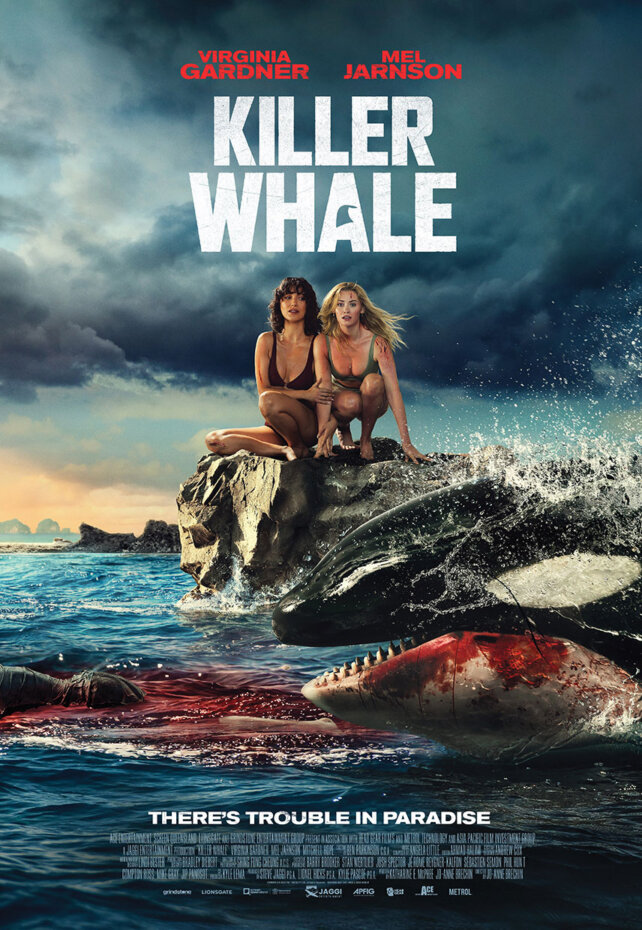
When you build intention early, the final artwork doesn’t feel assembled – it feels inevitable.
Get in touch to see how we can bring your story to life.

t +61 2 9431 3200
e hello@carnivalstudio.com.au
Suite 5, 22 Fred St
LILYFIELD NSW 2040
Sydney Australia




